The Want List / 005
PiagetCalibre 9P
Everyone tells this story slightly wrong. I did too.
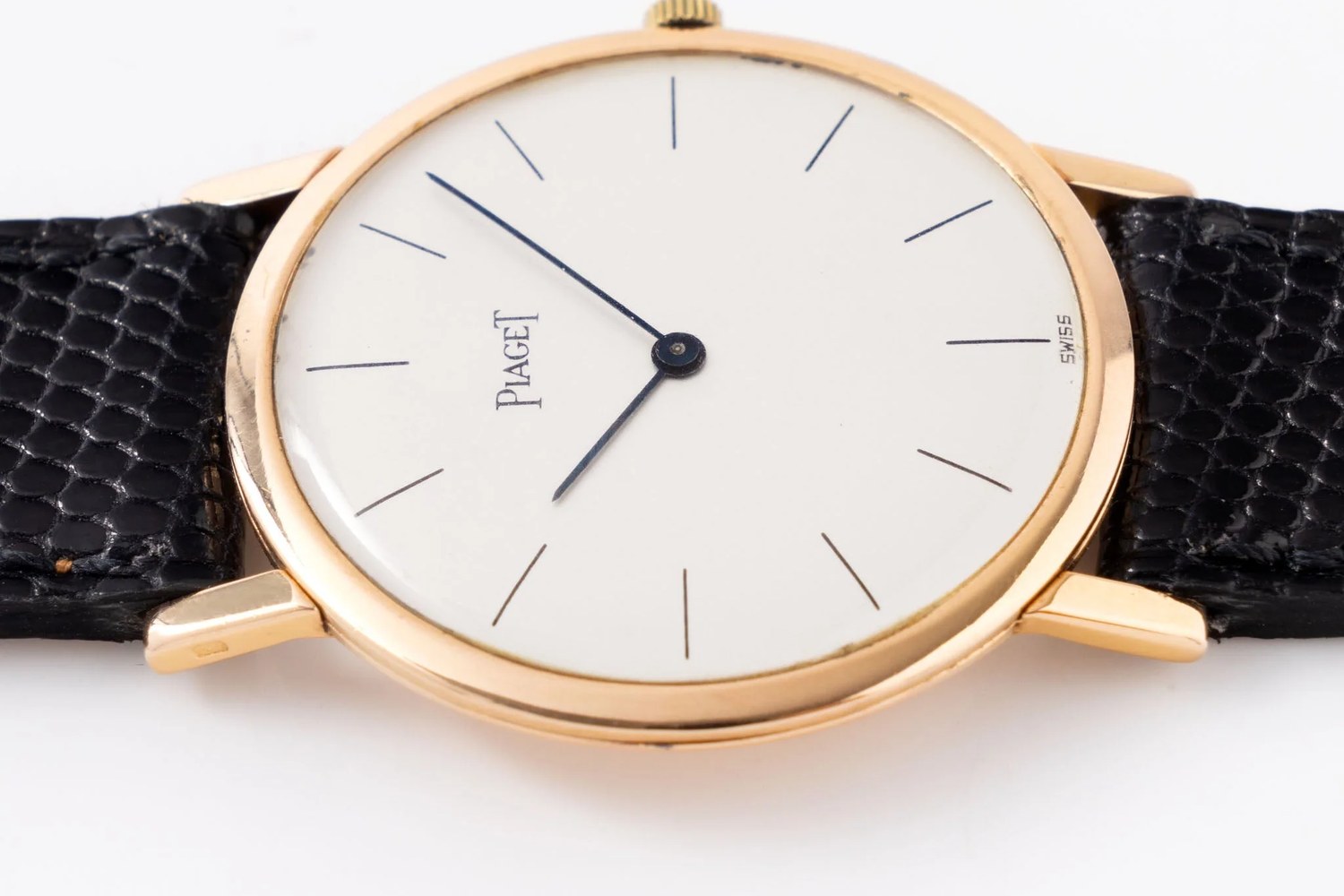
How I got here
I wanted something flat enough to vanish under a cuff.
Every list points at the same 1957 Piaget movement.
Two millimetres.
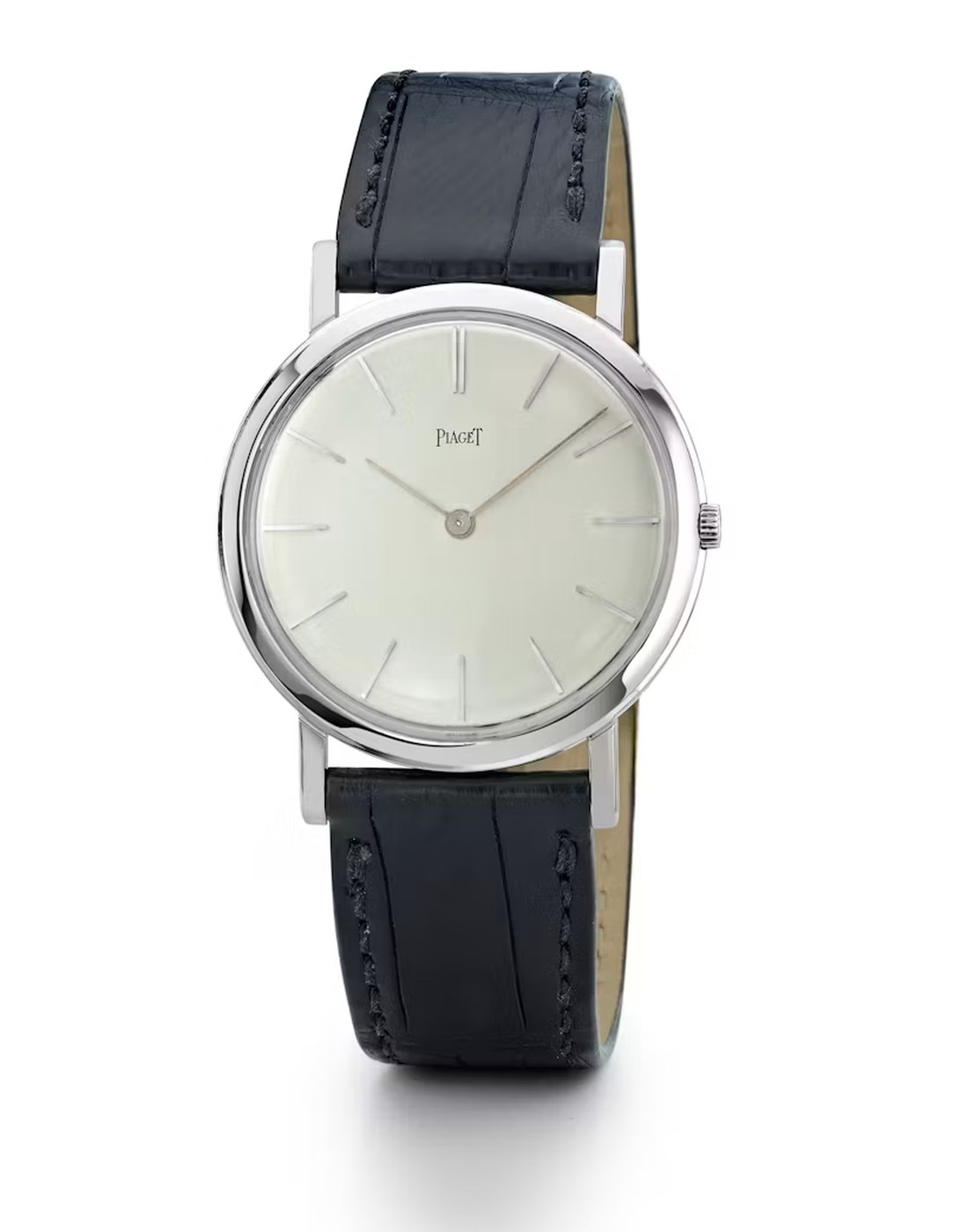
The part worth knowing
You will read that the 9P was the thinnest hand-wound movement in the world.
It wasn't. Audemars Piguet were at 1.64 mm in 1938. Jaeger-LeCoultre and Vacheron Constantin got there in the fifties.
The 9P is 2 mm. Piaget's own site still doesn't call it the thinnest. Everyone else does it for them.
1.64 mm. 1938.
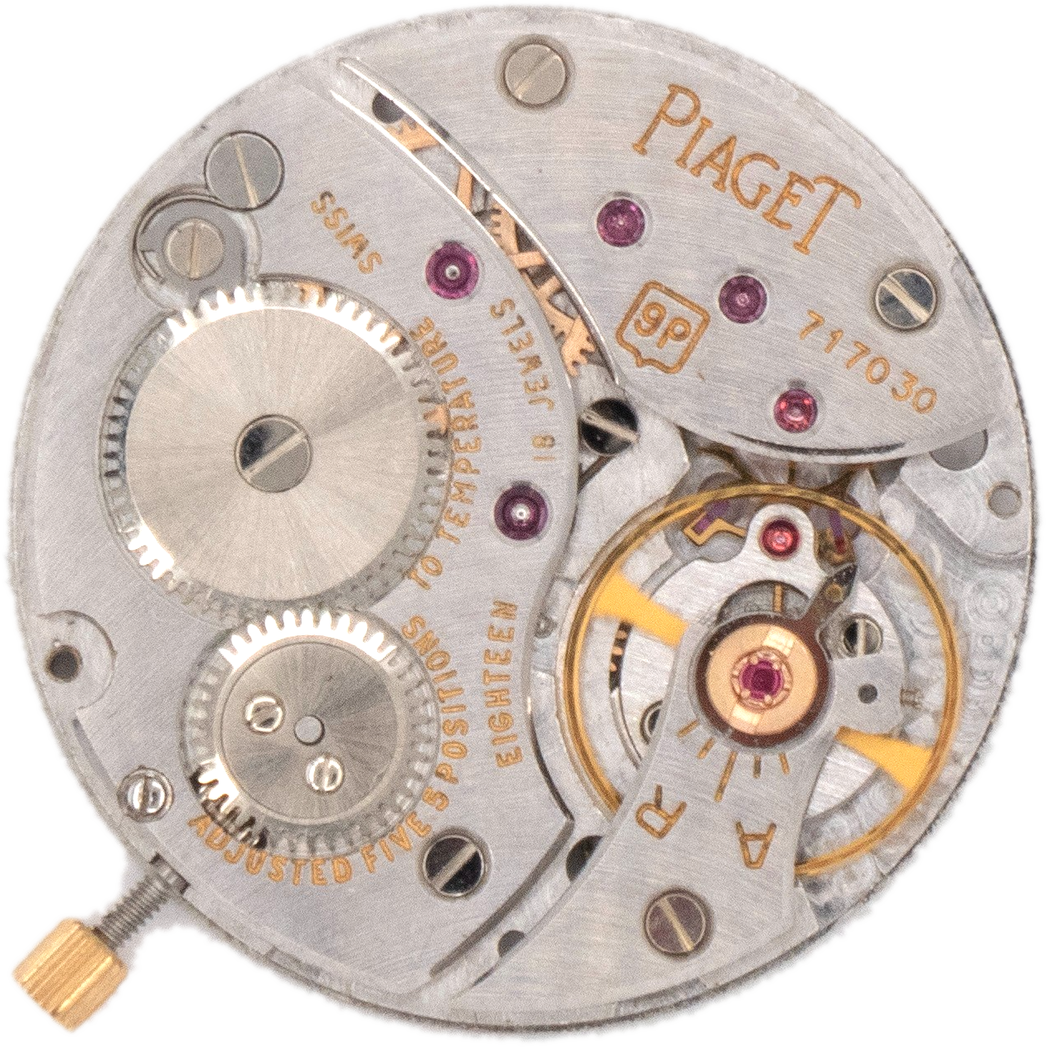
So what did it actually do
It made ultra-thin ordinary.
Audemars sold 772 of their 1.64 mm calibre in fifteen years. Piaget built theirs in-house and put it in a catalogue — round, square, rectangular, stone dials from 1963.
The square one is the Protocole, and it is the one I want. The round version is everywhere.
What it really opened up for me is vintage Piaget as a whole. The 9P, the 12P, the old Polo.
Not a record. A product line.
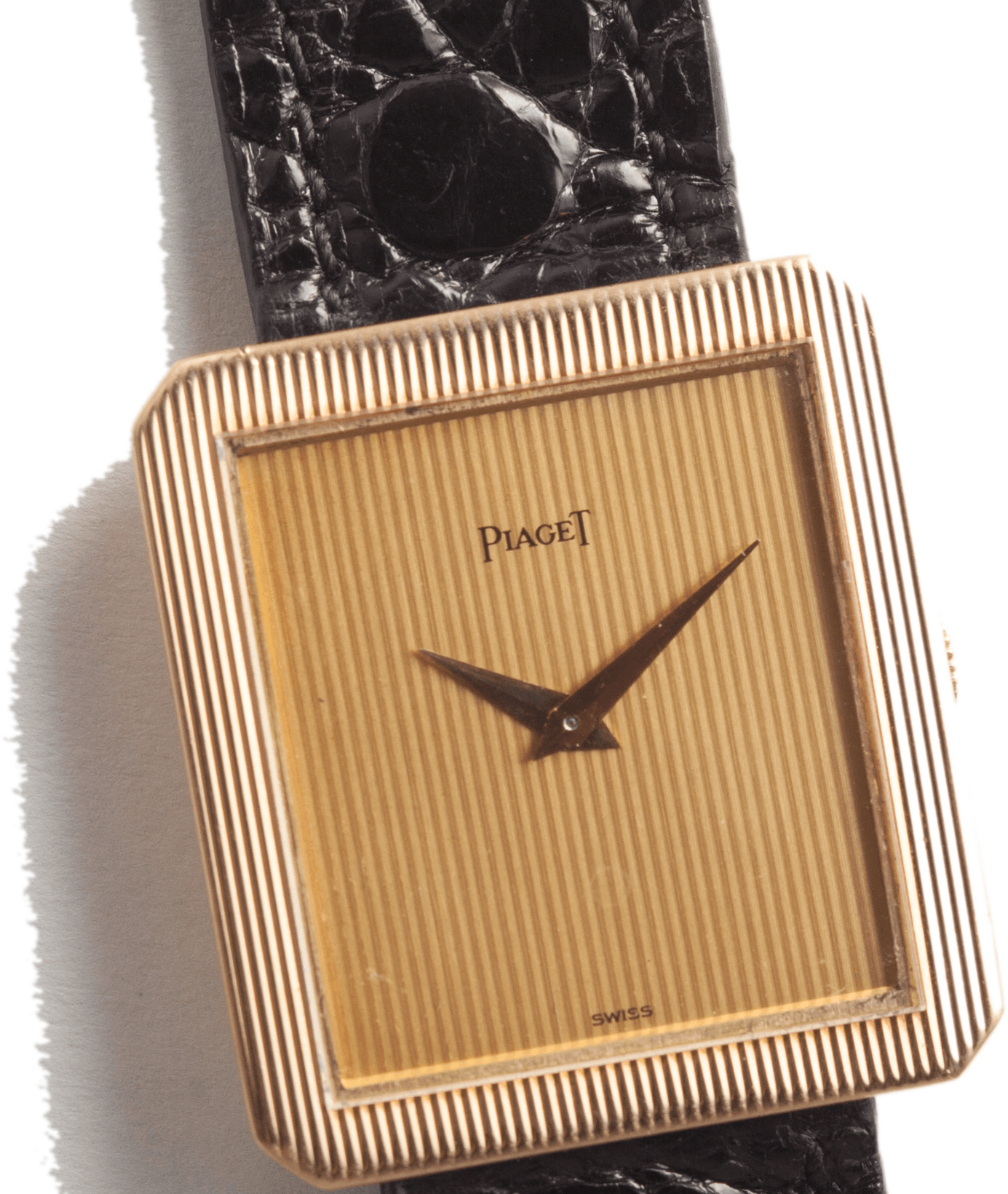
Which one I want
The square. The Protocole, with its engine-turned bezel and dial.
And then everything behind it — this is the watch that made me start looking at vintage Piaget properly.
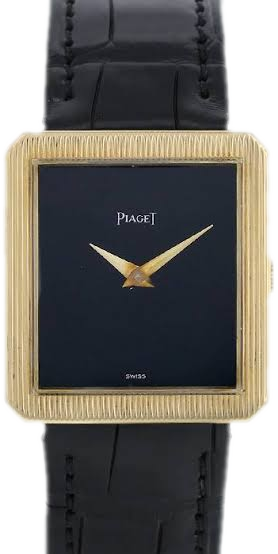
The watch
| Calibre | 9P · 1957 |
|---|---|
| Thickness | 2.00 mm |
| Diameter | 20.5 mm — 9 lignes |
| Winding | Hand-wound · 18 jewels |
Where it sits
| What I want | The Protocole |
|---|---|
| The round one | Too common |
| What it opened up | Vintage Piaget |
| Plain dials | $2–7k |
Neither one is an Altiplano.
- Images.
- Photography — various sources.